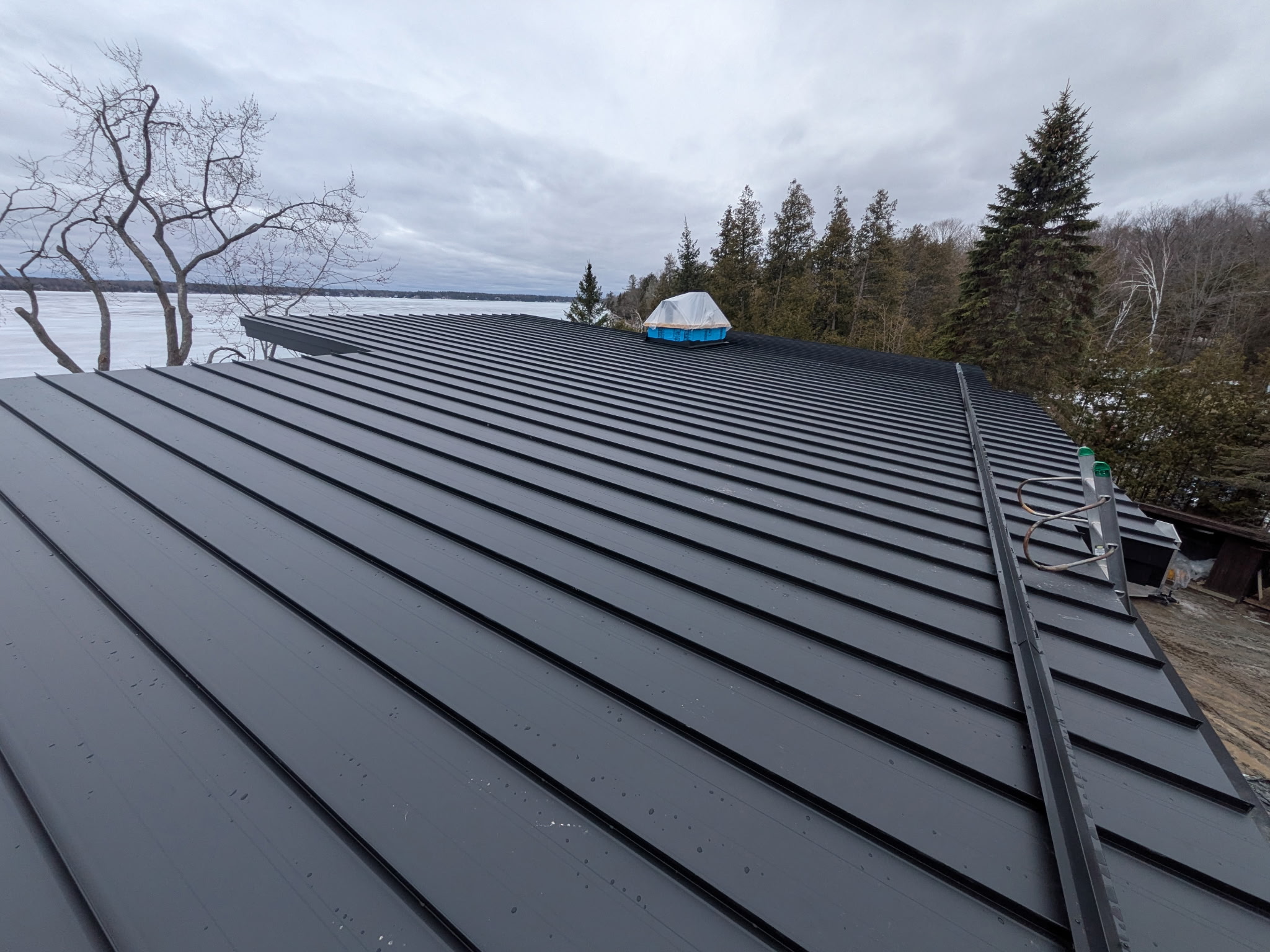
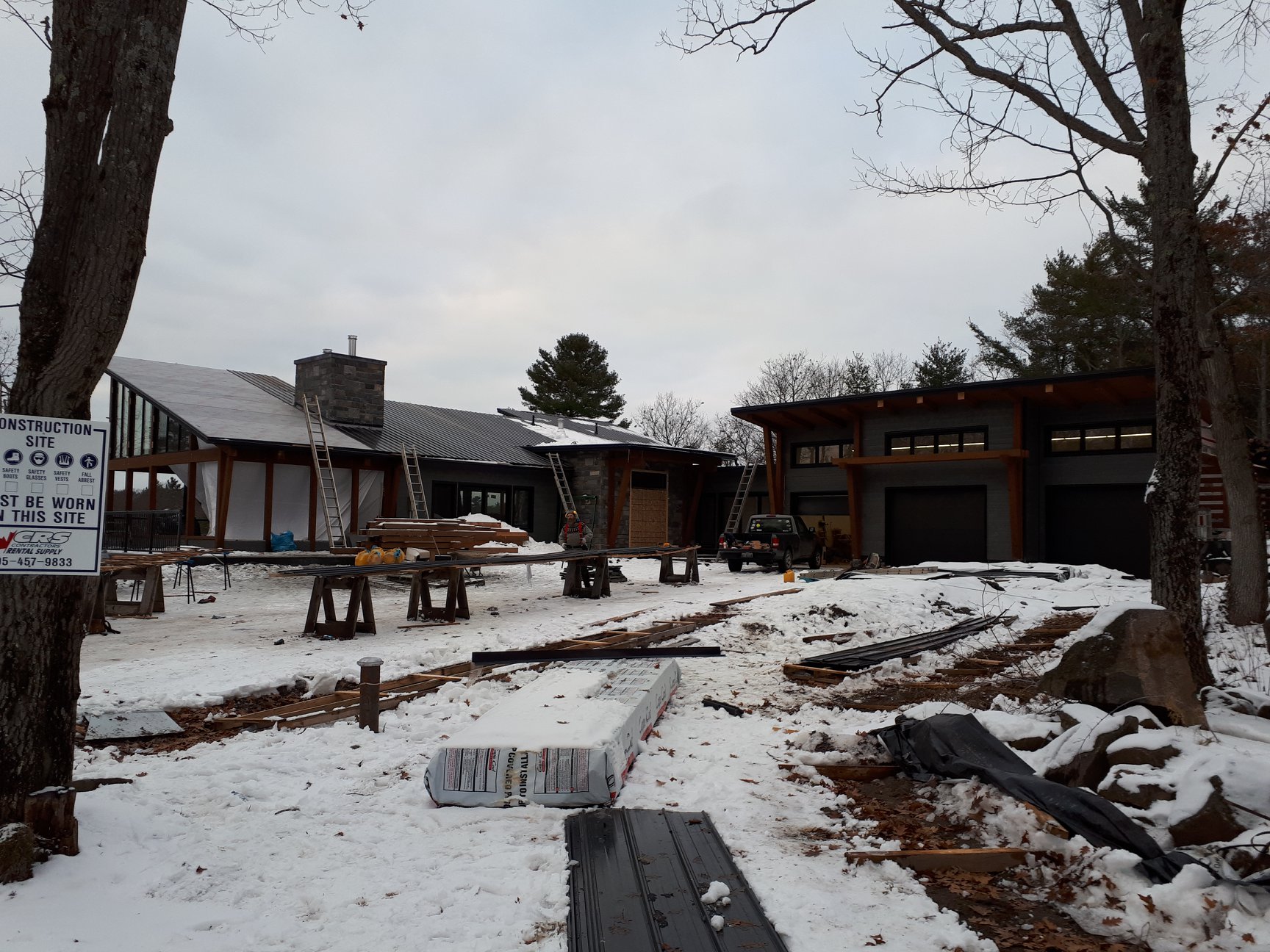
Wide view across several dark standing seam roof planes at a lakefront property.

Buyer field guide · 03 · Ontario

How to compareroofing quotesbefore yousign.

Put the proposals side by side and compare the roof each one is actually pricing. A lower total can reflect a different product, removal assumption, allowance, detail, exclusion, responsibility, or warranty document.

08

Short answer

Three totals are not necessarily three versions of the same roof.

Start by normalizing eight decision lines: covering, removal, hidden conditions, roof details, site responsibility, people and schedule, price and changes, and warranty documents.

Mark what is named, excluded, allowed for, or unanswered. Only then does a total become useful for comparison.

The normalization sheet

Compare scope line by line.

These are buyer questions, not a universal construction specification. The exact proposal still needs to match the property and selected system.
Decision lineWhat the proposal should nameQuestion when it is unclear
Roof coveringExact material, manufacturer, profile or system, finish or colour, and relevant specification.Are the proposals pricing the same roof covering and finish—or only using the same broad label?
Removal and disposalTear-off or overlay assumption, number and type of existing layers, disposal, property protection, and what remains.Does one total include removal that another excludes or leaves undefined?
Deck and hidden conditionsWhat is assumed about the deck, how discovered damage is documented, and the unit price, allowance, or change process.How will work that cannot be seen before tear-off be approved and priced?
Water and air detailsUnderlayment, ventilation assumptions, valleys, eaves, rakes, walls, ridges, flashings, penetrations, and discharge points.Are the difficult details named, or is the proposal mostly square footage and material?
Site responsibilityAccess, staging, landscaping and property protection, daily cleanup, final cleanup, and responsibility for damage.Who protects what, and what condition should the property be left in?
People and scheduleContracting party, supervision, subcontractors, permit responsibility, start assumptions, duration, weather delays, and communication.Who is responsible for the work, and which dates are commitments versus estimates?
Price and changesTotal, tax, deposit, progress payments, final payment, exclusions, allowances, and written change-order process.Can the total change, for what reasons, and how must you approve a change?
Warranty documentsSeparate manufacturer and workmanship documents, responsible party, coverage, exclusions, maintenance, claim path, and transfer terms if any.Are the actual documents available, or is the proposal relying on an unsupported lifespan or “lifetime” phrase?
ON

Ontario written-contract note

Move material answers into the written agreement.

Ontario consumer guidance says home-renovation contracts worth more than $50 must be in writing. A detailed proposal can support the process, but the signed agreement and written changes are the record that matters.

Confirm the parties, scope, products, responsibilities, dates, price and payment, allowances and exclusions, changes, and warranty documents. This guide is general information, not legal advice.

Read the current Ontario guidance ↗
Real Bulger project record showing a wide winter property and dark roof planes.

Current documents—not badge language

Ask what evidence applies to this contract.

A logo, old certificate, or broad credential phrase is not a substitute for current documentation tied to the actual contracting party.

  • Ask for current liability-insurance evidence and confirm which business is named.
  • For WSIB, ask for a current clearance or documentation explaining the applicable coverage or home-renovation exemption.
  • Keep the proposal, contract, approved changes, product specification, payment record, and warranty documents together.

WSIB construction rules are contextual. The employee, subcontractor, payment, and occupant relationship can matter, so a missing clearance should not be turned into a blanket website accusation.

Real Bulger project records

Different roof conditions create different scope questions.

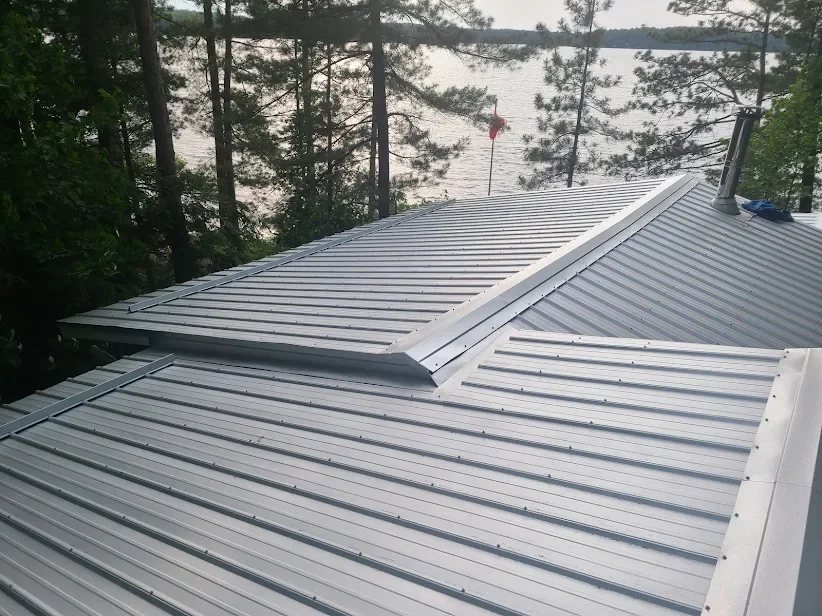
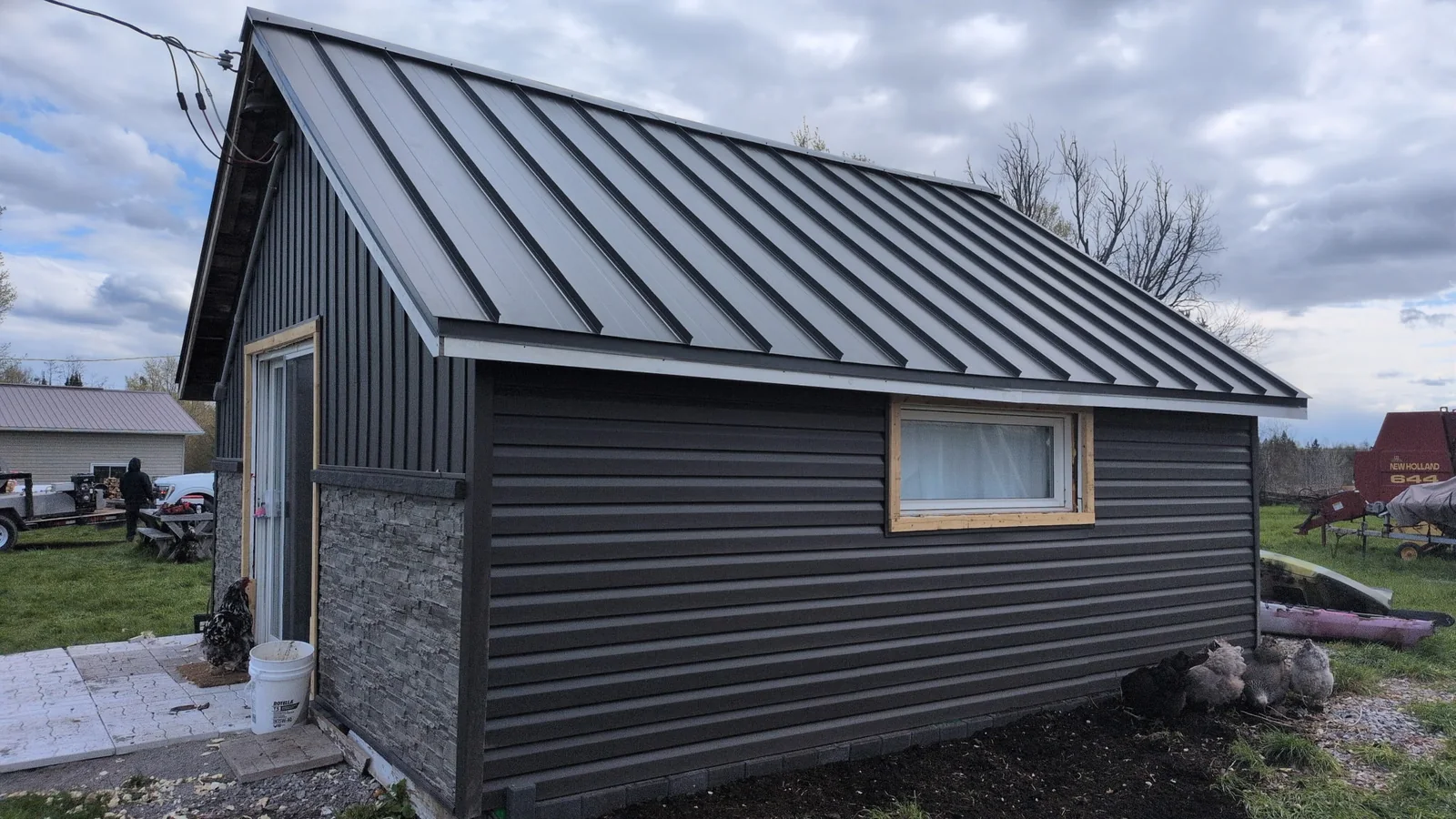
These are real Bulger project records. They show observable variation in roof form, penetrations, edges, access context, and finish—but do not disclose or prove any project's quote, price, timeline, warranty, or outcome.

Before you sign

Close the unanswered cells.

A complete comparison does not eliminate every hidden condition. It makes the known scope and the process for unknowns visible.

  1. 01

    Normalize the scope

    Copy the eight decision lines into one comparison sheet. Mark each proposal as named, excluded, allowed for, or unanswered.

  2. 02

    Resolve blank cells

    Ask the contractor to answer material omissions in writing. A verbal clarification can disappear after the work begins.

  3. 03

    Check the legal party

    Make sure the business name on the proposal matches the party responsible for the work and the documents you receive.

  4. 04

    Review current documents

    Ask for current liability-insurance evidence and the applicable WSIB clearance or coverage/exemption documentation. Do not infer status from a logo or old badge.

  5. 05

    Read payment and changes

    Confirm tax, deposit, progress milestones, final payment, allowances, exclusions, and the written approval path for changes.

  6. 06

    Keep the signed record

    Retain the proposal, contract, change orders, product specification, warranty documents, receipts, and relevant correspondence.

Questions worth asking

Four quote-comparison questions.

The answer is usually in the scope and documents—not in one headline number.

01Should I choose the cheapest roofing quote?

Not from the total alone. First confirm that the proposals name comparable products, removal assumptions, roof details, hidden-condition rules, responsibilities, payment terms, and warranty documents. The lowest total may still be the right choice, but only after the scope is comparable.

02Why can roofing quotes for the same house be far apart?

The totals may be pricing different material specifications, removal work, deck assumptions, flashings, ventilation, penetrations, access, protection, supervision, schedule, exclusions, or warranty obligations. The useful question is not only “why more?” but “what roof is each proposal describing?”

03Can photos produce a final roofing price?

Photos and plans can support a first review, but roof geometry, access, existing layers, deck condition, and hidden details may still require an on-site look before final scope or pricing.

04What does a roofing warranty line actually need to say?

Ask for the separate manufacturer and workmanship documents, the responsible party for each obligation, coverage, exclusions, maintenance requirements, claim process, and any transfer conditions. Do not rely on a broad lifespan phrase as a substitute for written terms.

Source notes

Current official and industry guidance.

Checked 2026-08-22. Ontario and WSIB guidance can change; review the linked current pages before relying on a rule or document status.

  1. 01
    Ontario · Your rights when starting home renovations or repairs

    Written-contract and consumer-rights guidance.

  2. 02
    Ontario · Hiring a roofer

    Ontario homeowner guidance for roofing work.

  3. 03
    WSIB · Clearances

    What a current clearance shows and how to search for one.

  4. 04
    WSIB · Expanded compulsory coverage in construction

    Coverage and home-renovation exemption context.

  5. 05
    NRCA · Selecting a Contractor

    Written scope, documentation, supervision, warranty, and price-comparison guidance.

  6. 06
    CHBA · Contracts: Get It in Writing

    Canadian renovation contract checklist.

  7. 07
    CHBA · 7 Elements to Include in Your Home Renovation Contract

    Scope, schedule, price, documentation, warranty, permits, and changes.

Next useful step

Prepare the roof context before requesting review.

Use the quote-prep checklist to gather the location, safe photos, known issues, access, system direction, and timing. Then bring the unresolved scope questions to the actual property.

CallGet Quote