Black standing seam panels being installed on a gray house roof.

Existing roof review · Kawartha Lakes

Roof replacement, reviewed from the deck up.

Bulger reviews existing-roof and replacement questions for Kawartha Lakes properties. A useful scope separates what can be seen now from what may only be known after removal—before a simple total hides the important boundaries.

Existing-roof quote request

Start an existing-roof review.

You do not need a complete diagnosis before reaching out. Share the current roof, visible issues, property location, access, and timing so the useful open questions can be identified.

One verified progress record

Tear-off. Installation. Finished roof.

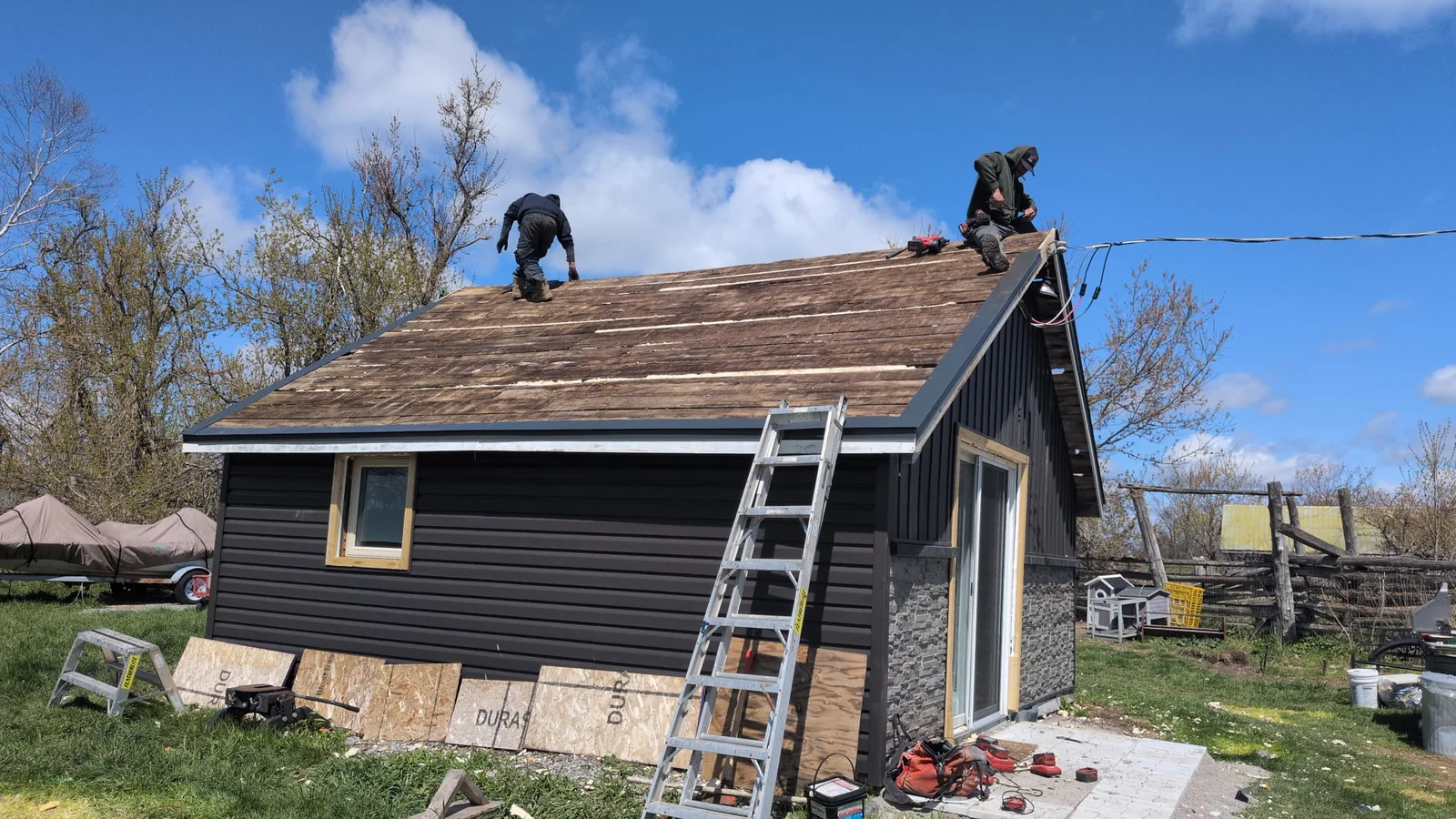
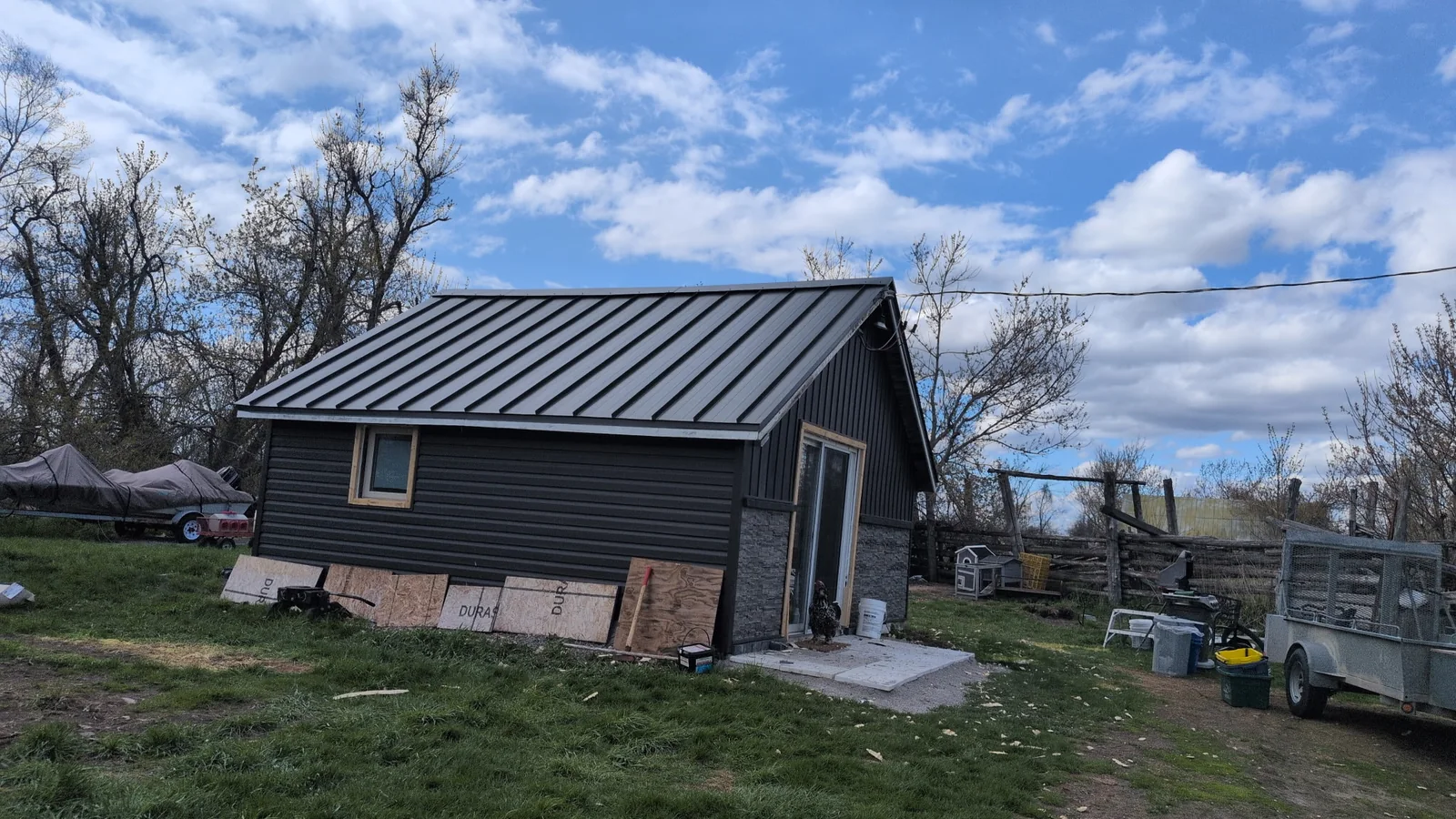
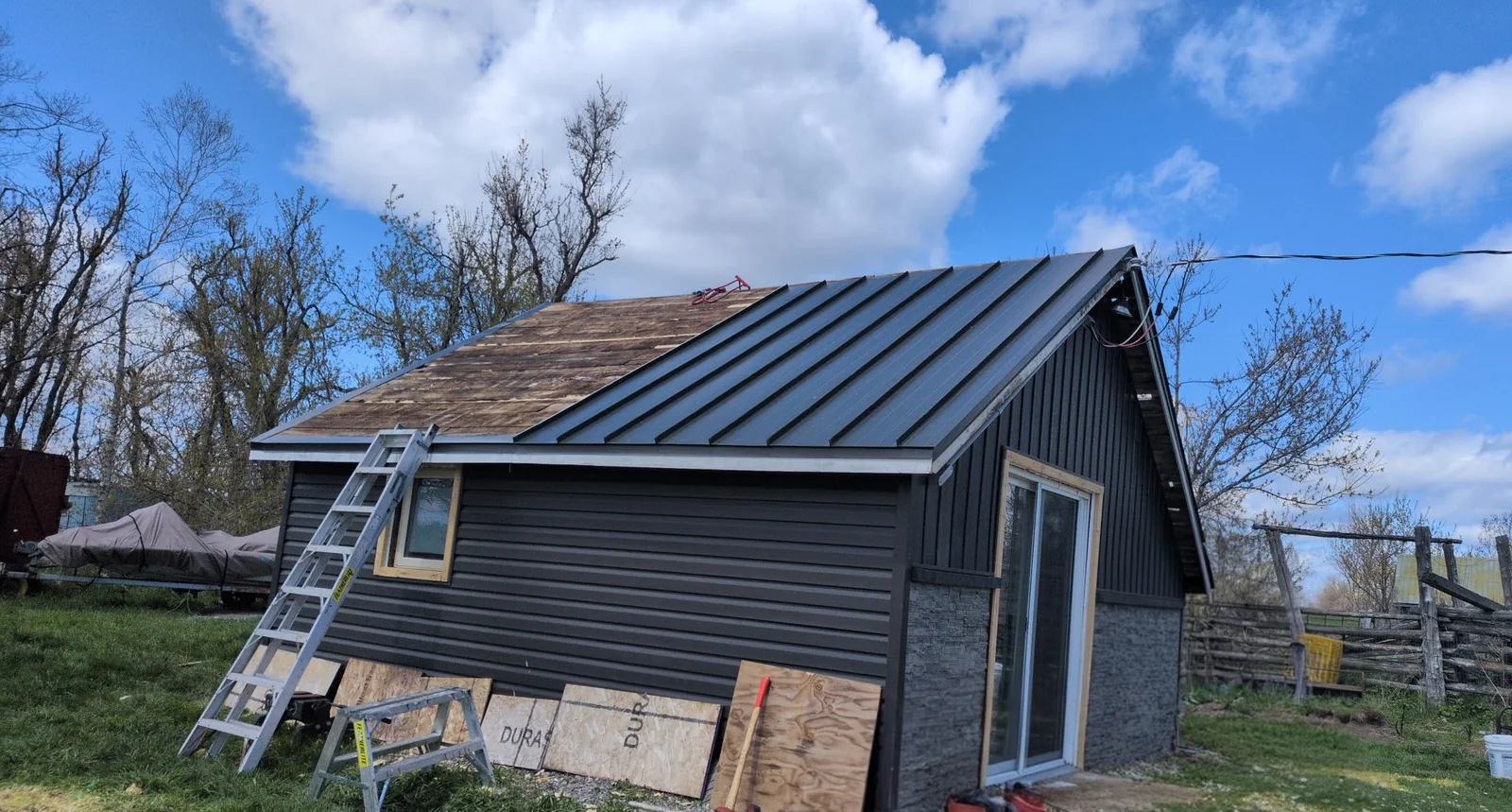
These are three stages from the same structured Bulger project record. The sequence proves visible work stages—not unseen deck condition, cost, timeline, or performance.

Gray house roof at tear-off stage before panels were installed.
01Tear-off stage
Black standing seam panels being installed on a gray house roof.
02Installation progress
Finished wide view of a gray house with a black standing seam roof.
03Finished exterior

Scope before certainty

Four layers keep the review honest.

The first review can organize the problem. It should not pretend every concealed condition or final scope is already known.

01

What is visible now

Roof surface condition, known leaks, previous repairs, drainage, penetrations, and access can shape the first conversation without pretending to be a complete diagnosis.
02

What removal may reveal

Deck condition and concealed assembly details may not be confirmable until materials are removed. A useful scope says how those discoveries will be documented and approved.

03

What the new system requires

Underlayment, ventilation, flashings, edges, transitions, penetrations, and the specified roof system need to work as one assembly.

04

What belongs in writing

Ask for the base scope, exclusions, product identity, cleanup and disposal boundaries, applicable documents, and how approved changes will be recorded.

Hidden-condition boundary

Known work in the base scope. Unknowns handled in writing.

A site visit may be required before final pricing, and some deck or assembly conditions may remain concealed until removal. Ask how those discoveries will be documented, priced, approved, and added to the scope before extra work proceeds.

Compare roofing quotes line by line

How a useful review starts

Start with the roof you have. Build the scope from evidence.

The form starts the conversation. It does not turn incomplete roof information into an instant diagnosis, specification, or fixed price.

  1. 01

    Send the known context

    Share the property location, current roof material, approximate age if known, visible issues, previous repairs, access notes, and timing.

  2. 02

    Separate knowns from open conditions

    Photos and plans can help the first review. They cannot confirm every deck, ventilation, flashing, or concealed assembly condition.

  3. 03

    Confirm the next review

    Bulger can identify what information is still needed. A site visit may be required before final pricing or a roof-specific scope.

Before comparing totals

What the written scope should make clear.

A useful proposal lets you compare the actual roof work—not just the bottom-line number. Confirm these items in writing and flag anything that remains an allowance, assumption, or open question.

Use the roofing quote comparison guide
  1. 01

    The specified system

    Panel profile, seam or fastening approach, metal and finish, and the product documents that define the proposed system.

  2. 02

    Existing-roof work

    Whether removal is included, what is assumed about the deck, and how hidden or damaged conditions would be handled if found.

  3. 03

    Assembly layers

    Underlayment, ventilation, insulation or condensation-control considerations, and the boundaries of the proposed roof assembly.

  4. 04

    Critical details

    Valleys, eaves, rakes, walls, penetrations, transitions, drainage points, and any snow-management questions that apply to the property.

  5. 05

    Access and completion

    Staging, material handling, cleanup, exclusions, and the site conditions that could change timing or scope.

  6. 06

    Documents and responsibility

    Which product and workmanship documents apply, who is responsible for each scope item, and which questions still need confirmation.

Questions worth asking

Questions to settle before replacing a roof.

A useful answer separates visible evidence, the proposed system, and the conditions that may remain unknown until work begins.

01Can photos confirm whether the roof needs replacement?

Photos can show useful context, but they cannot reliably establish every deck, ventilation, flashing, or structural condition. Treat them as intake evidence, not a remote final diagnosis.

02Will the old roof always be removed?

Do not assume one answer fits every assembly. Existing materials, deck condition, applicable requirements, ventilation, and the proposed system all matter. Tear-off requirements should be confirmed in the written quote.

03What if hidden damage appears during tear-off?

The proposal should explain how unforeseen conditions will be documented, priced, approved, and added to the scope before extra work proceeds. An existing roof may contain conditions that cannot be priced responsibly in advance.

04What should a roof replacement quote include?

It should identify the planned removal, deck assumptions, proposed roof system, assembly layers, flashings and details, access, cleanup and disposal, exclusions, applicable documents, and how approved changes will be handled.

05What affects roof replacement pricing?

Roof area and geometry, tear-off, disposal, deck repairs, the specified system, ventilation and underlayment work, flashings, penetrations, access, staging, and timing can all change the scope. Square footage alone is not a complete price.

06Should cleanup and disposal be listed in writing?

Yes. Ask the proposal to identify removal, material handling, cleanup, disposal, site-protection boundaries, and any exclusions so you can compare the actual work rather than just totals.

07What should I send to start a roof replacement review?

Send the property location, current roof material, approximate age if known, visible issues or leaks, previous repair information, ground-level photos, access notes, and desired timing. Photos or plans can be emailed after the form is sent.

Next step

Start with what you know about the existing roof.

Use the form for the property location, roof conditions, access, and timing. Email ground-level photos or plans to rob@bulgersteelroofing.com if they add useful context.

CallStart quote